

Case study
Ridestore
Multi-brand e-commerce serving 21 countries - with accessibility and conversion as equal priorities.
01
Project approach
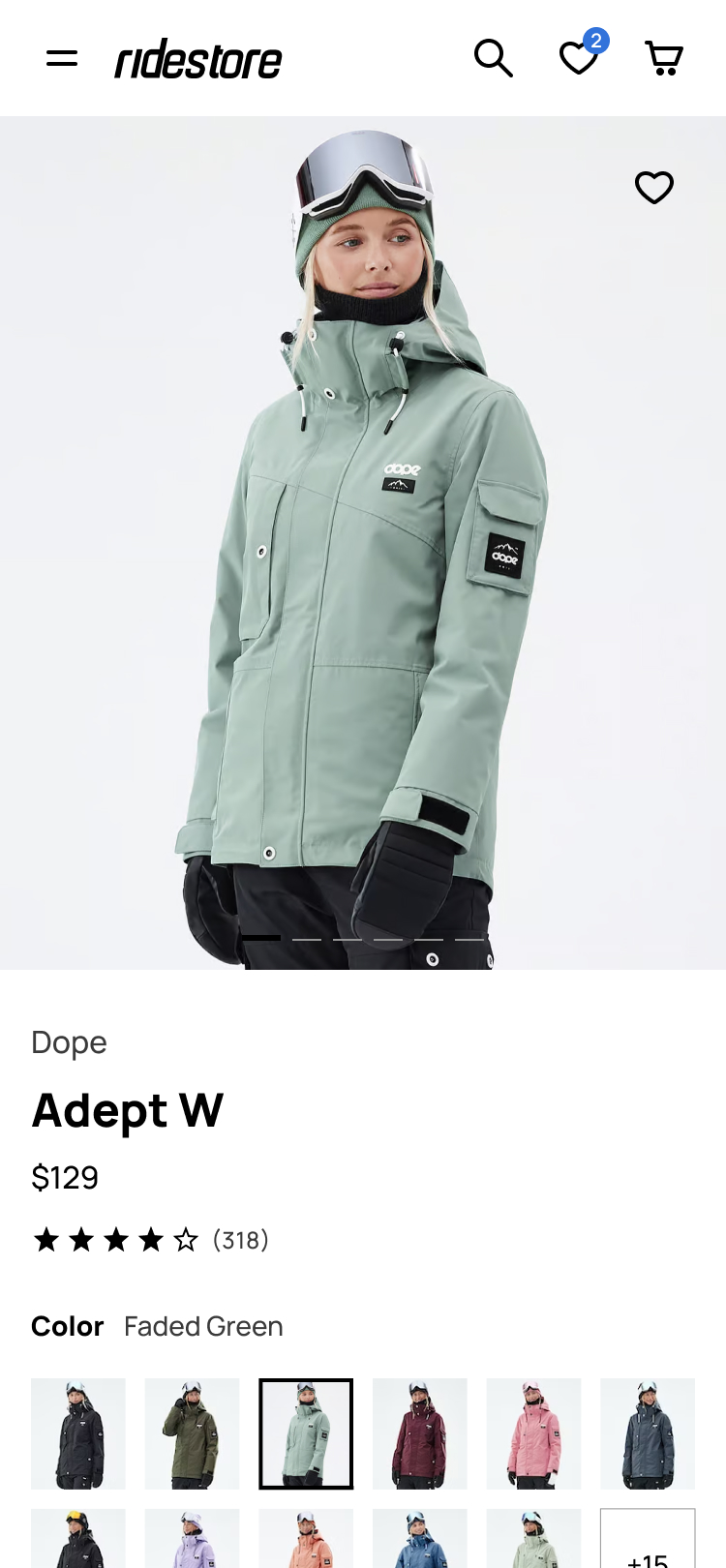
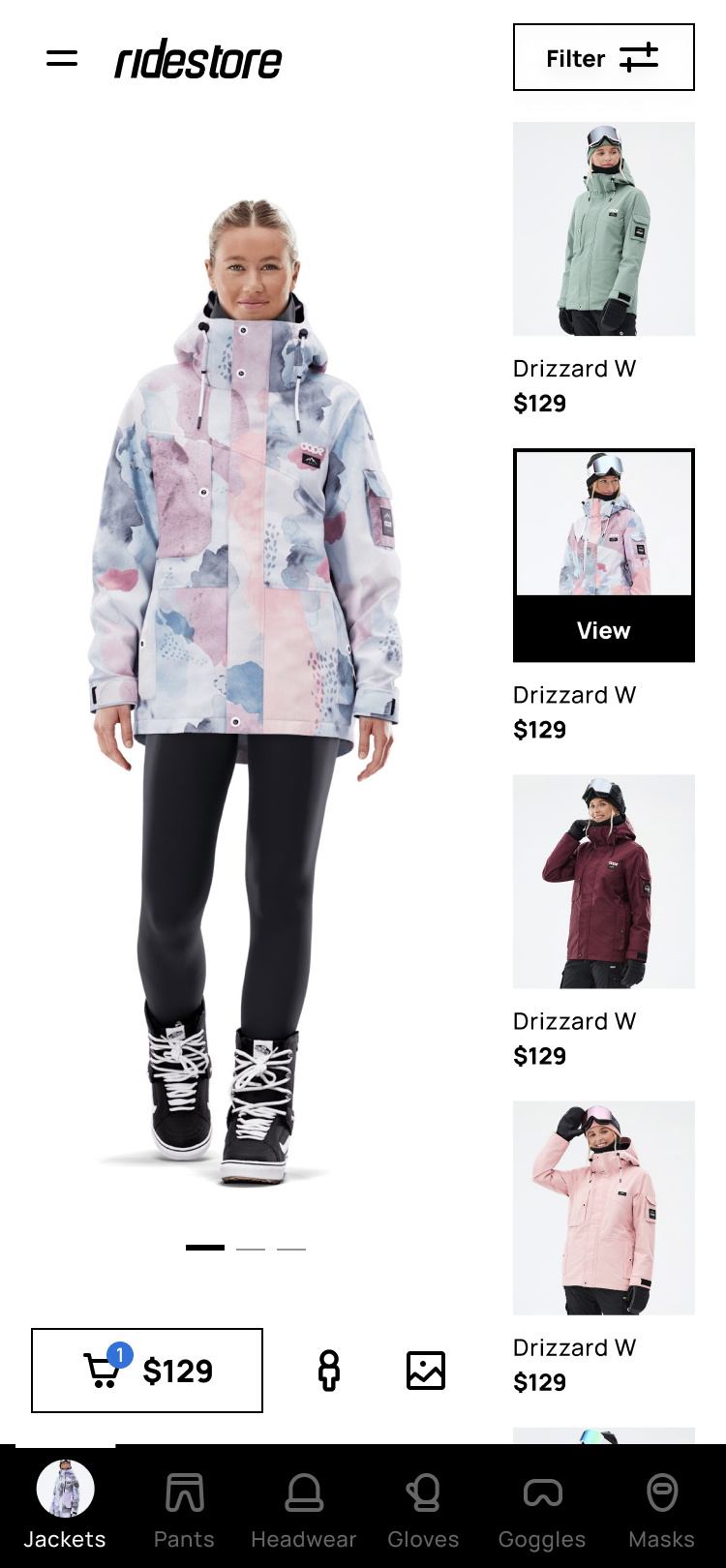
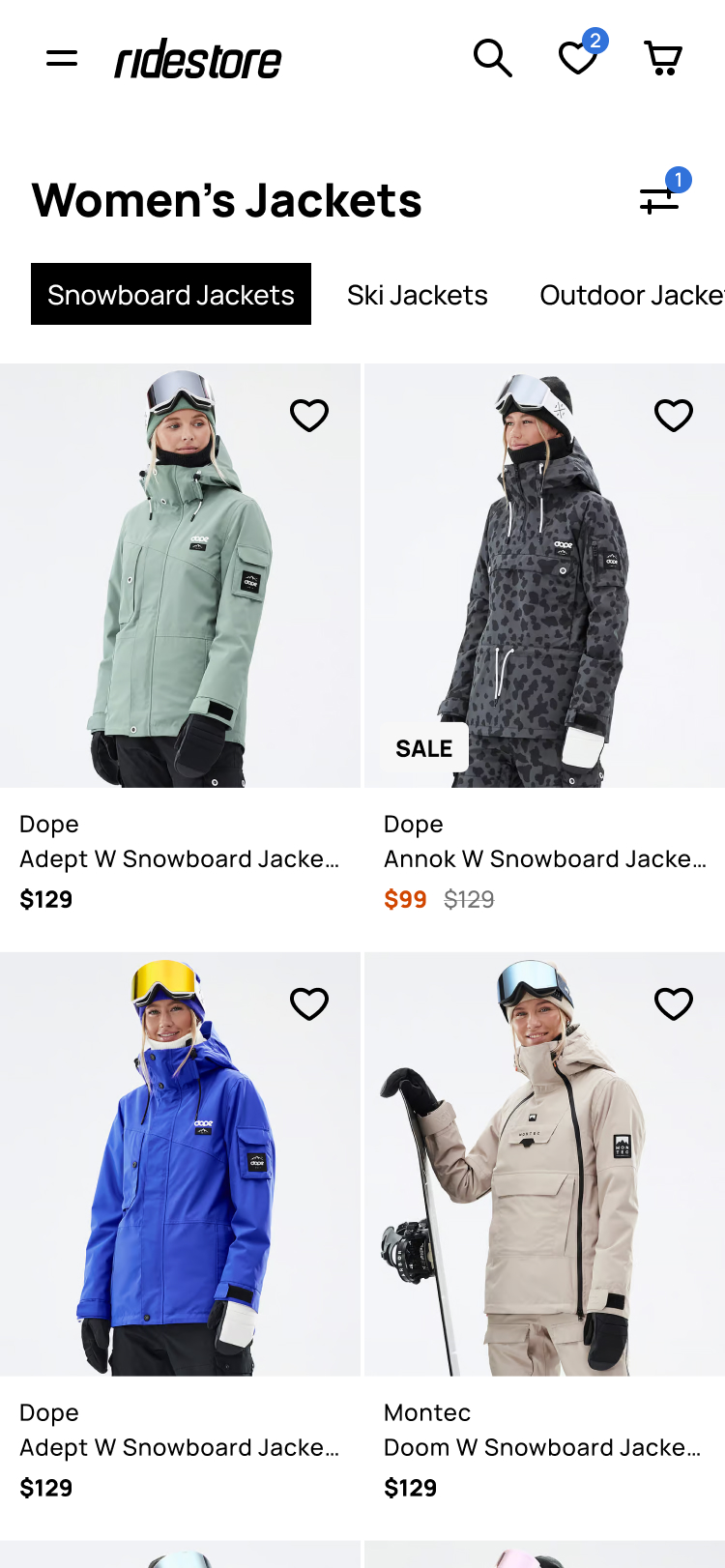
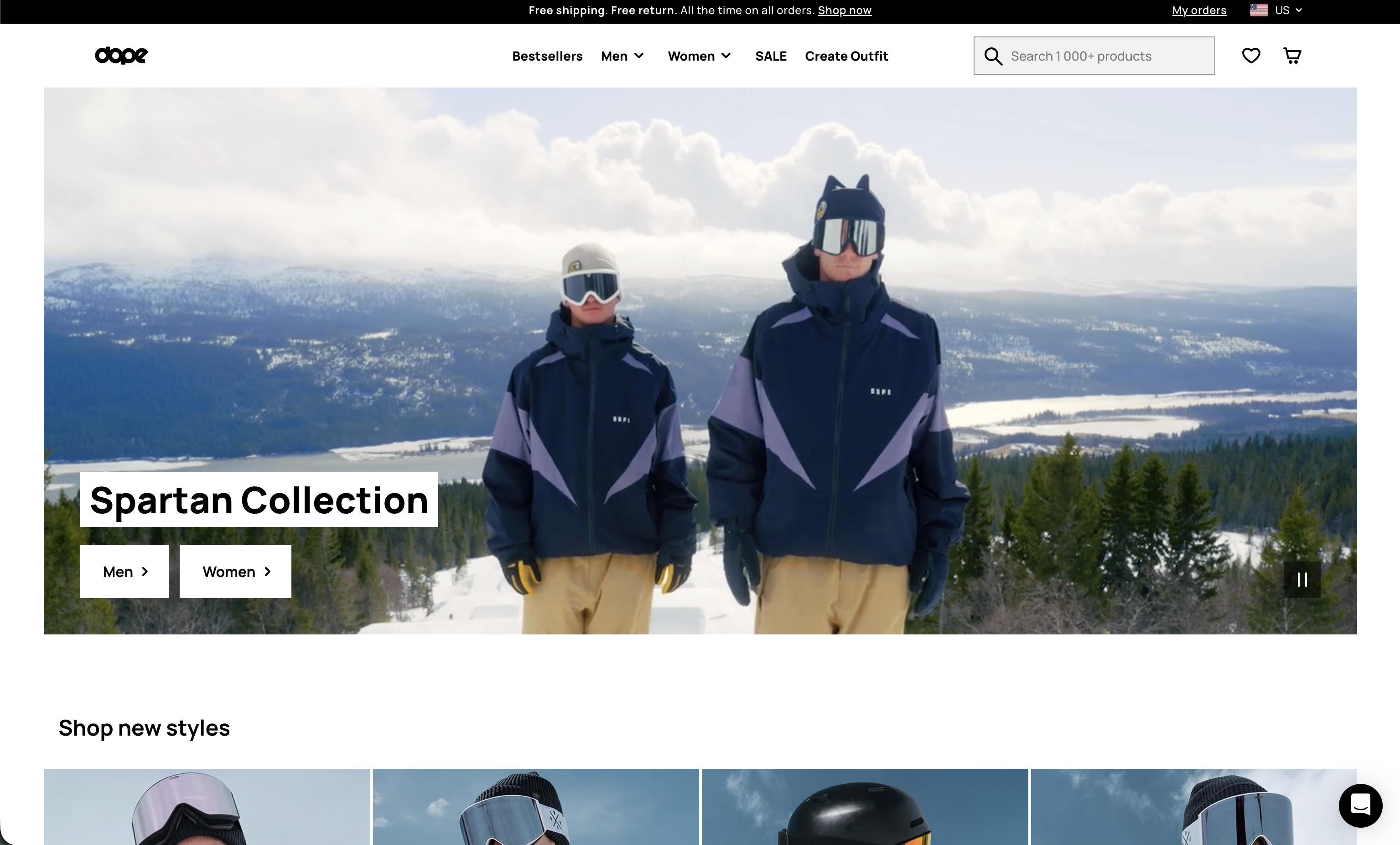
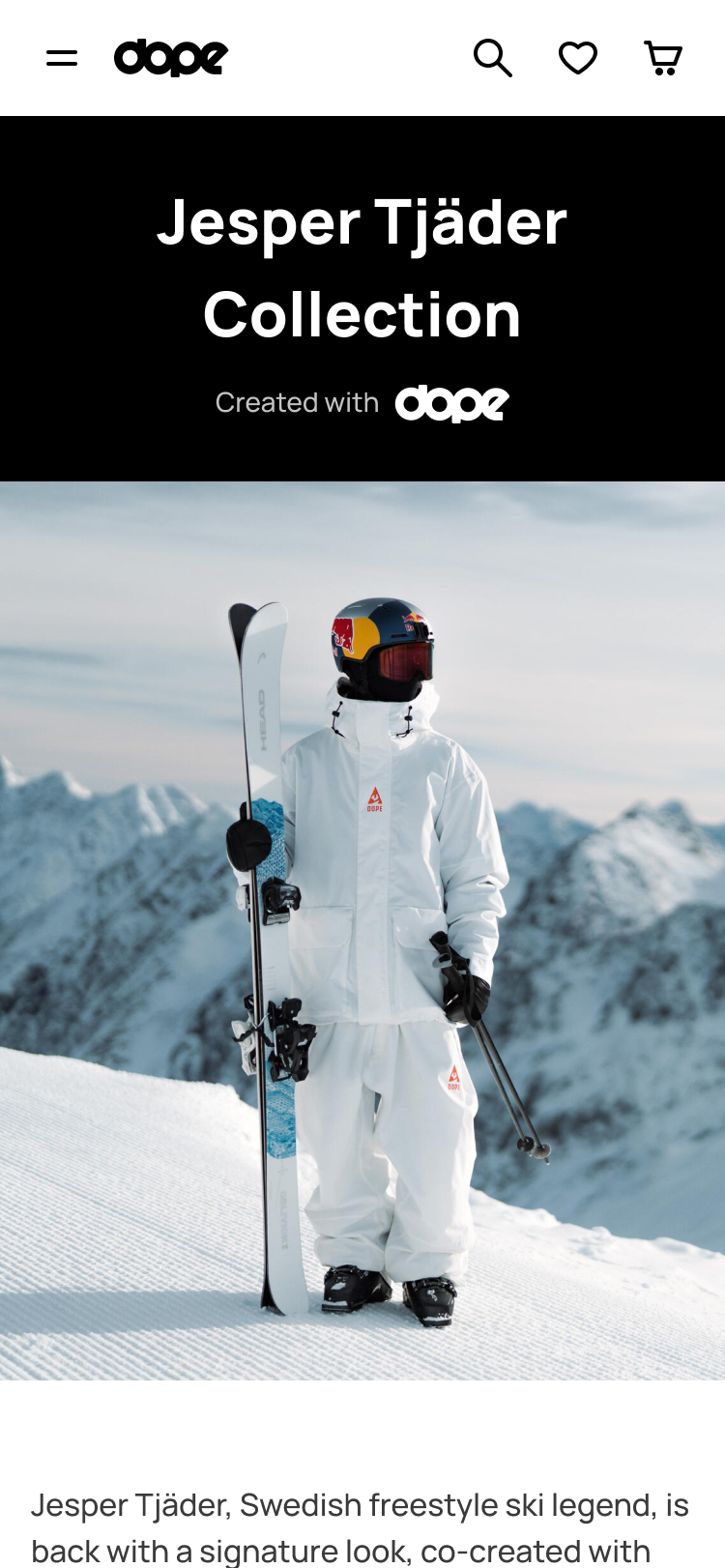
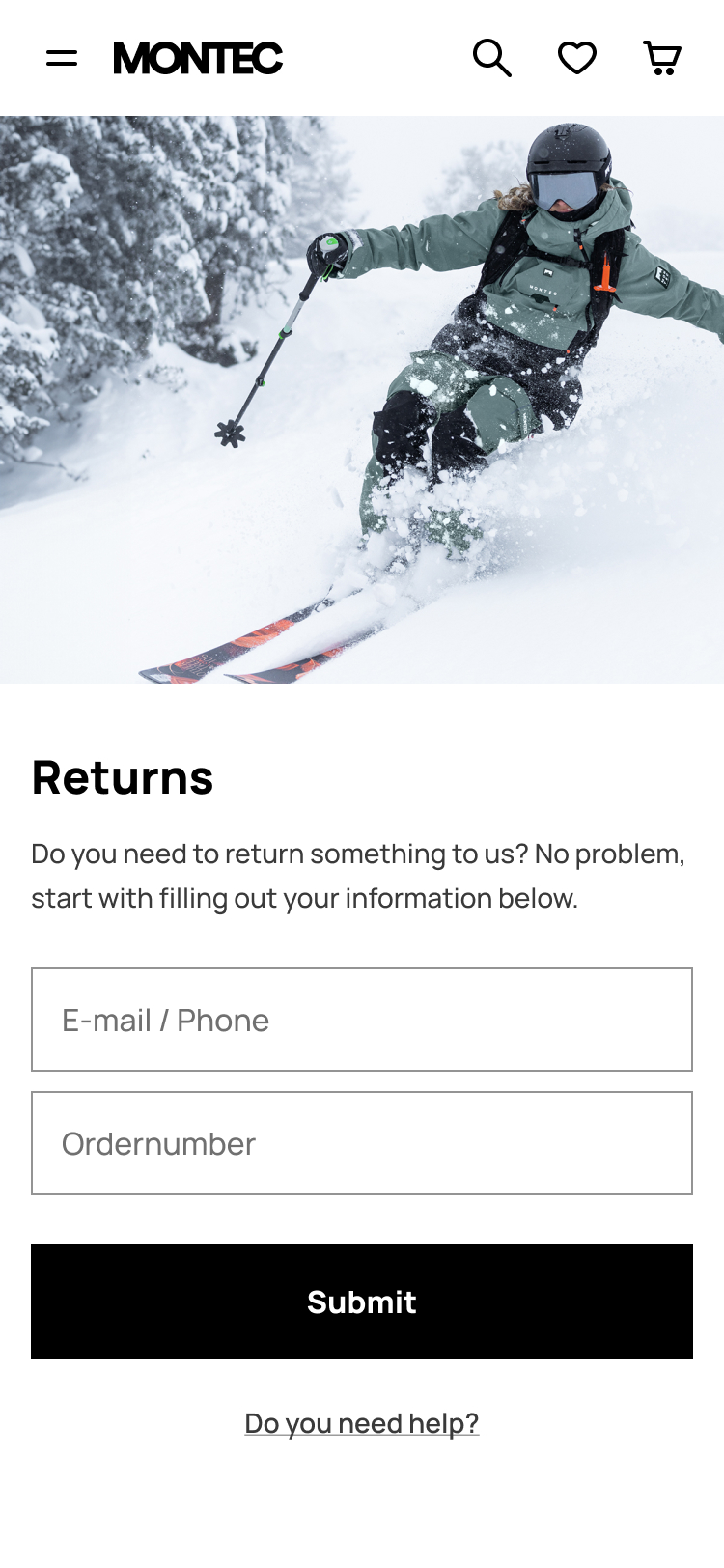
At Ridestore, I faced the challenge of improving the user experience and interface for a brand active in several countries and catering to three distinct brands, with every design decision backed by data-driven insights. Our design philosophy emphasized the importance of sleek, professional looks that let the visuals do the talking, highlighting our products' and brand's essence.
02
AI-driven design & development
Ridestore is one of the most AI-mature organisations I've worked with. I use AI as an integral part of my design and development process - from generating design concepts and iterating on components in Figma, to writing and shipping production-ready frontend code myself. This lets me move from idea to live product faster than ever, without sacrificing craft or accessibility.
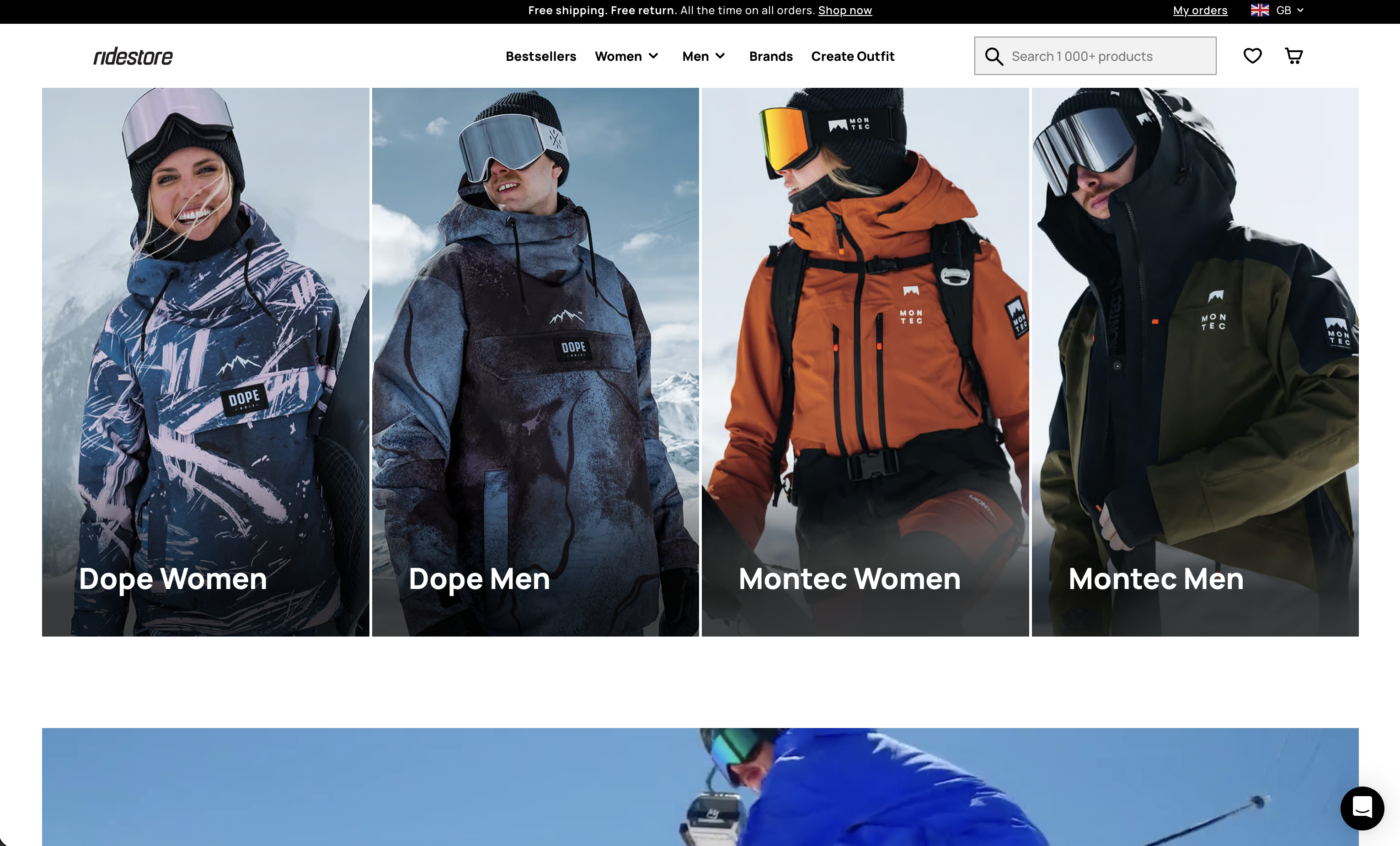
Desktop
03
The challenge
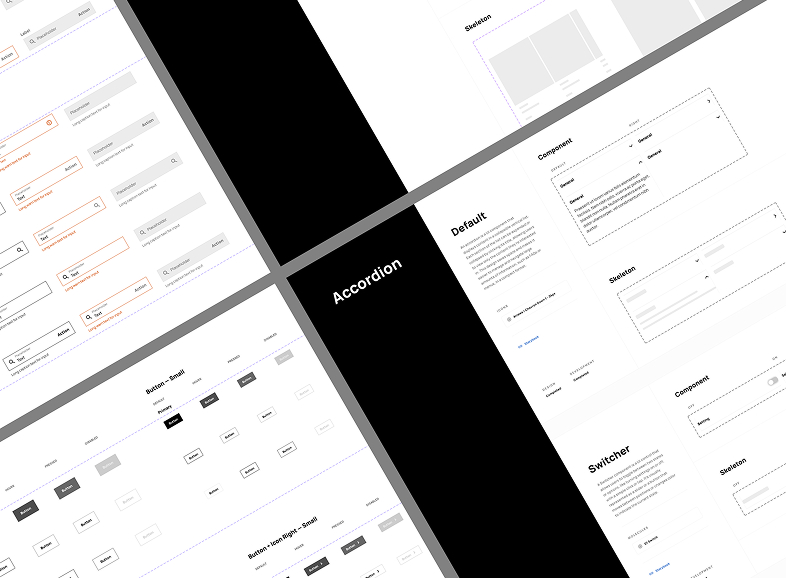
Ridestore's design system was ambitious but complex and unfinished, making it hard for the team to work efficiently. I took on the task of refining and completing this design system to make it more coherent and manageable, enhancing our ability to create visually appealing and functional designs.
This was an ongoing effort, with each phase of the design system's completion leading to further iteration and improvement. This continuous pursuit of excellence aimed to balance beautiful design with high conversion rates, focusing on making our designs not only attractive but also accessible and user-friendly.
04
Improving Accessibility
Accessibility was overlooked before I stepped in. I conducted a site audit for accessibility and worked closely with developers to meet WCAG 2.1 AA standards. This is an ongoing effort to ensure all new designs and codes are accessible, keeping the site inclusive for all users.
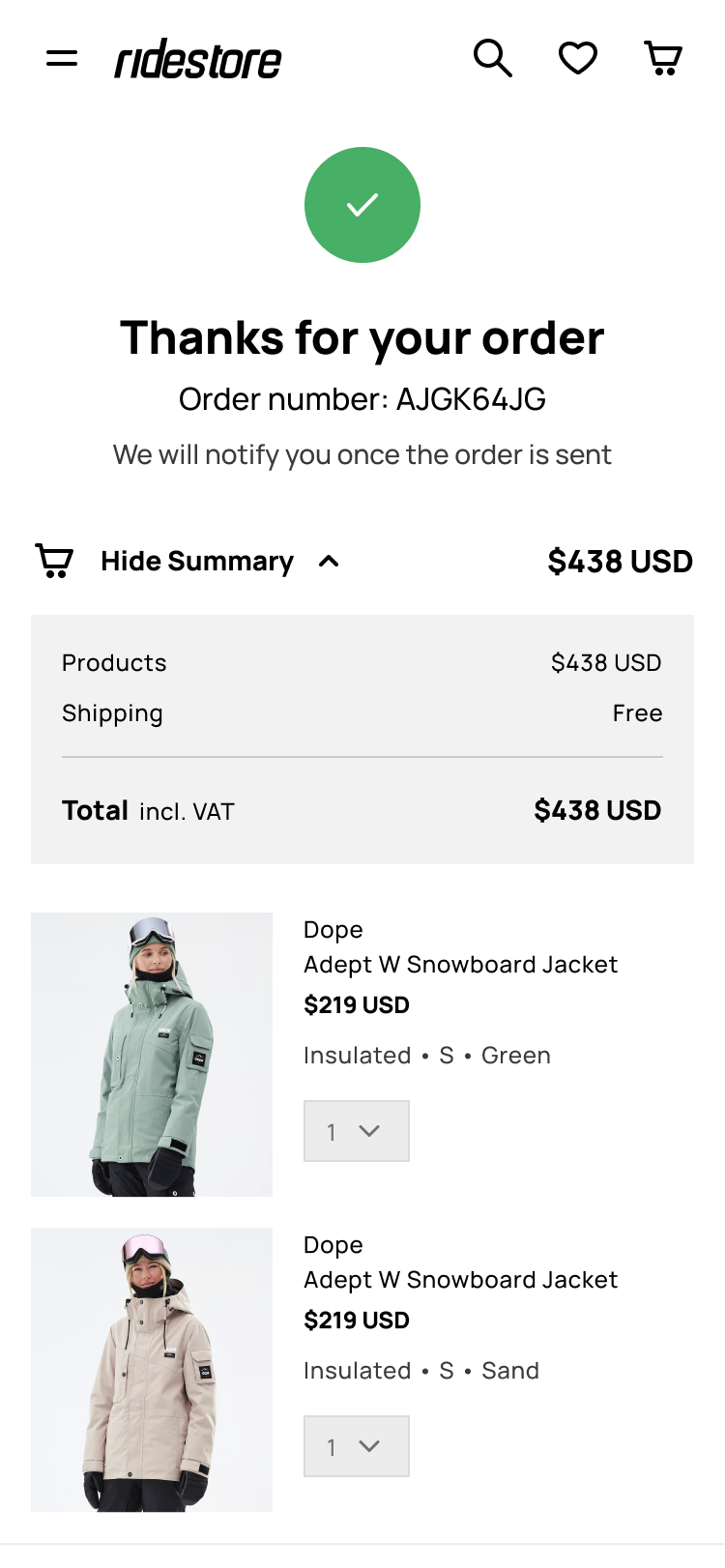
Check out the design at www.ridestore.com (opens in new tab), www.dope.com (opens in new tab) & www.montecwear.com (opens in new tab)